Aniline, semi-aniline, pull-up: leather finishes explained
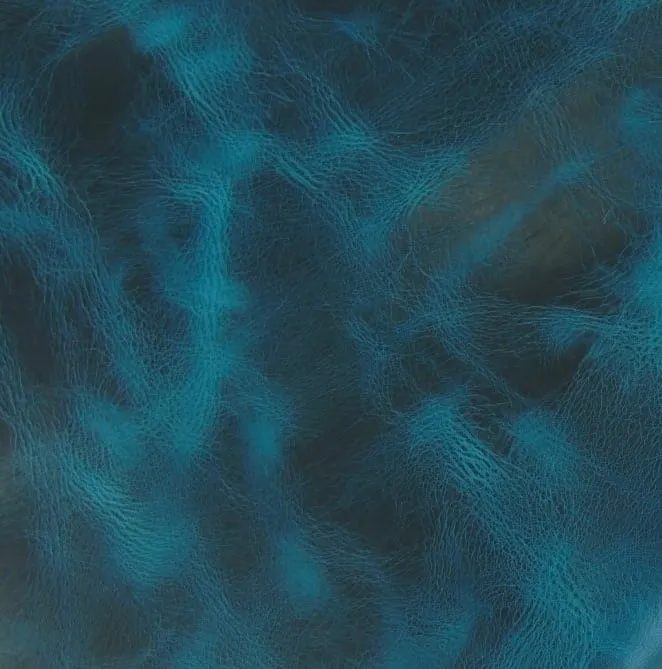
When I started leathercraft, I was lost between aniline, semi-aniline, non-aniline, pigmented and pull-up. It took me a while to understand, and even today, if someone describes a leather to me out loud, I sometimes hesitate about what I would have in my hands. So I wrote the guide I would have liked to read. I hope it helps you too.
Why finish a leather?
Once tanned and dyed, a leather can be left as it is, or receive a finish on its surface. The finish protects it, evens out its colour or gives it a particular look. The more is added on top, the more resistant the leather becomes, and the less you see, and feel, of the real skin.
Aniline: the leather, and nothing else
An aniline leather is dyed through with soluble dyes, without any covering layer on top. You can see the pores and the natural marks of the skin. It is the softest and most natural to the touch, and the one that develops the most beautiful patina.
The other side of the coin: it absorbs water and grease, and it scratches easily.
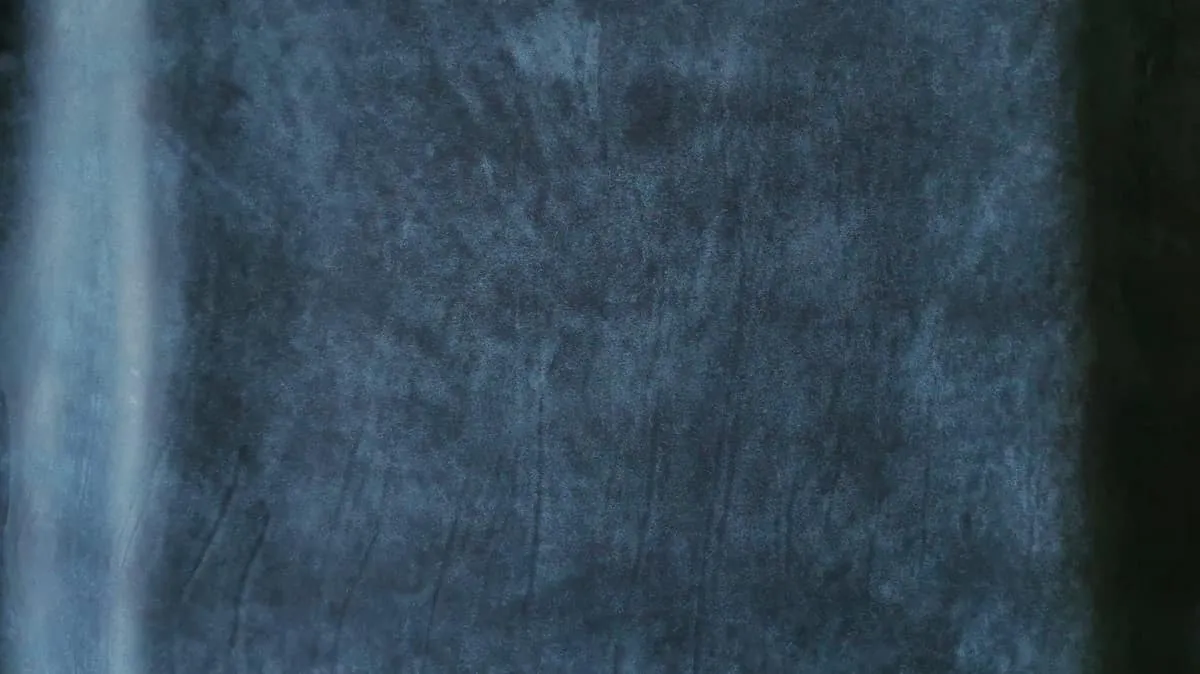
Pueblo, navy: a vegetable-tanned leather, dyed through and left without varnish.
Semi-aniline: a little protection
A semi-aniline leather is dyed through like an aniline, then covered with a thin coat holding a little pigment. The colour is more even and the leather resists stains a bit better, while keeping most of its natural look.
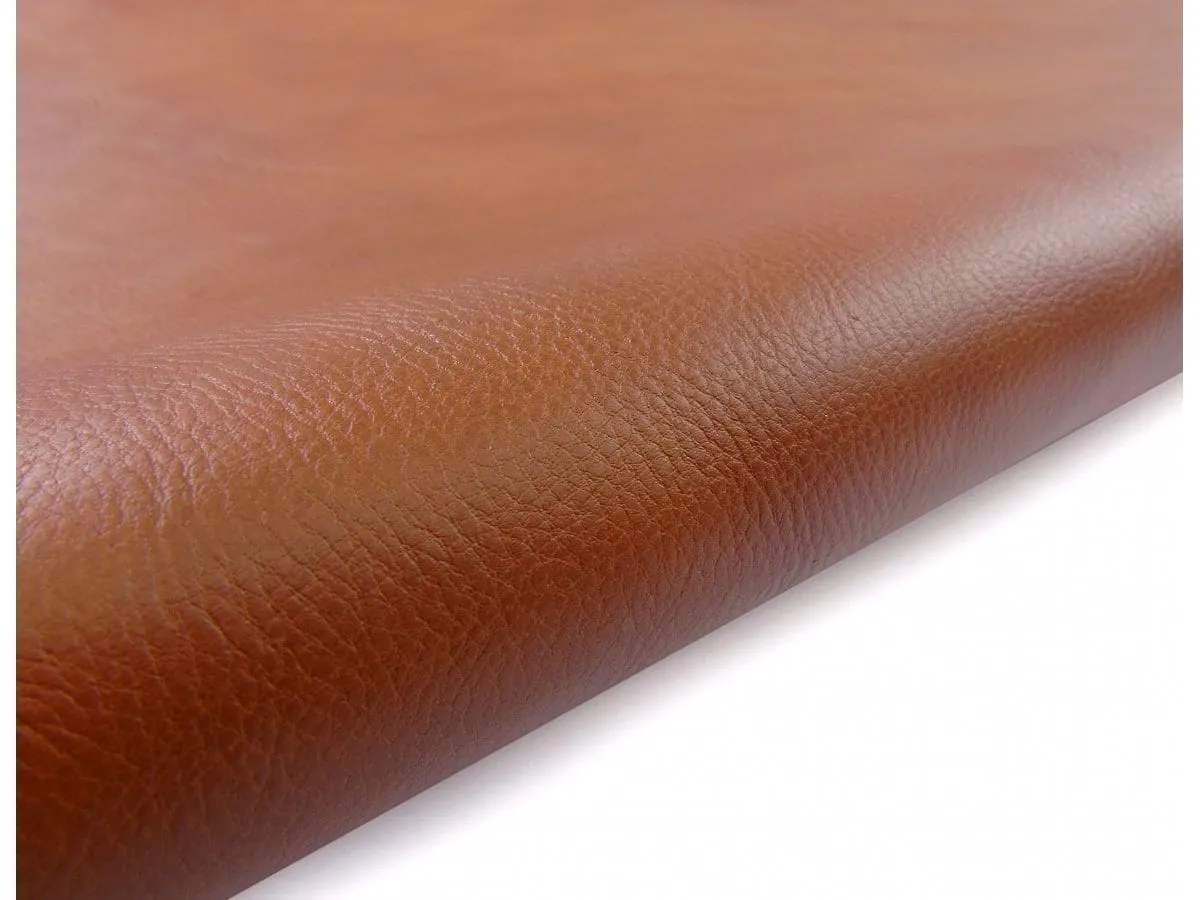
Matt Milled, cognac: a semi-aniline finish, even in colour.
Pigmented (non-aniline): the most resistant
On a pigmented leather, sometimes called non-aniline, an opaque layer of pigment covers the surface, protected by a top coat. It is often applied on a corrected grain. The result is very resistant and easy to clean, and the colour is perfectly even.
But the leather feels stiffer, breathes less and ages less: it does not develop a real patina, and once the coating is scratched through, the damage shows.
Pull-up: the leather that changes under your fingers
A pull-up leather is an aniline or semi-aniline leather loaded with oils and waxes. When you bend or stretch it, the oils move and the colour lightens where the leather is pulled: that is the “pull-up” effect. Light scratches disappear when you rub them with your finger, and the patina comes quickly. Crazy horse leathers belong to this family.
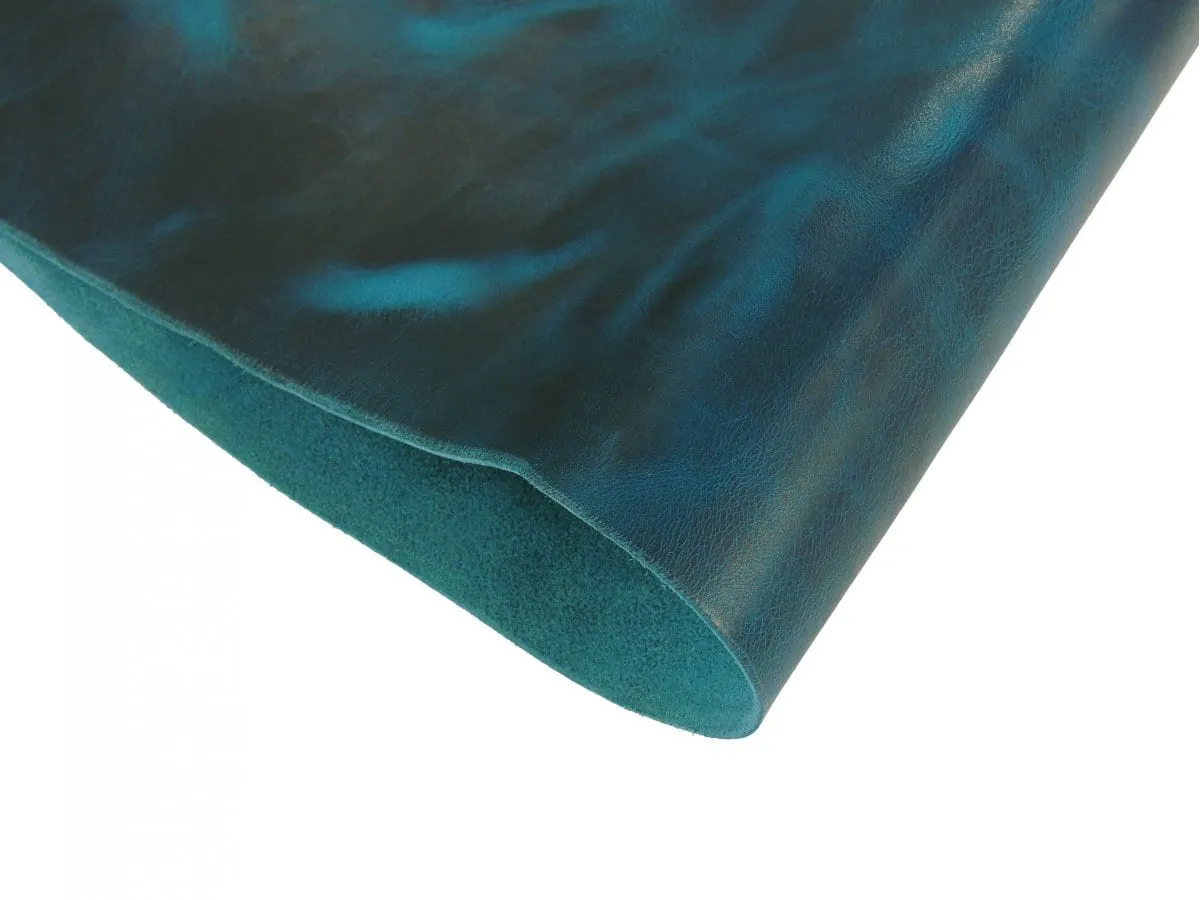
Badalassi Wax, Ortensia: a vegetable-tanned pull-up leather from the Carlo Badalassi tannery, loaded with wax.
Waxed, varnished and other finishes
- Waxed leathers receive a layer of wax, sometimes tinted, that deepens the colour and gives a soft sheen. They patina well and are easy to revive with a little wax.
- Varnished or patent leathers are covered with a glossy coating. They are very resistant, but you lose the feel of the leather.
- Some suppliers also sell textured or embossed finishes, or “distressed” effects that imitate an aged leather.
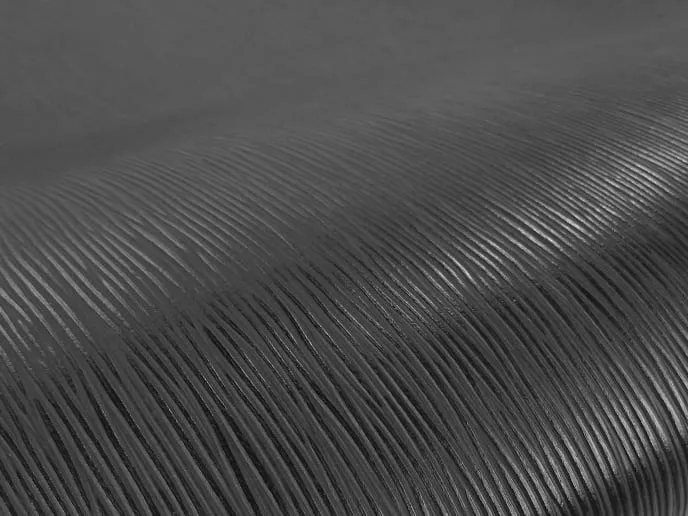
Epi, black: an embossed leather with a varnished finish.
Recognising a finish in your hands
- The water drop. On an aniline, a drop darkens the leather and soaks in. On a pigmented leather, it beads and stays on the surface.
- The fold. Bend the leather: if the colour lightens at the fold, it is a pull-up.
- The scratch. Scratch lightly with a fingernail: an aniline keeps the mark, a pull-up loses it under your finger, a pigmented leather barely shows it.
- The pores. Look closely: if you can see the pores and the natural marks of the skin, there is little or no pigment on top.
At a glance
| Finish | Look | Resistance | Patina |
|---|---|---|---|
| Aniline | Natural, pores visible | Low | Beautiful and fast |
| Semi-aniline | Natural, more even | Medium | Good |
| Pigmented | Even, opaque | High | Little |
| Pull-up | Lightens when bent | Medium, scratches rub out | Very fast |
| Waxed | Deep colour, soft sheen | Medium | Good |
Each finish is cared for differently: see how to care for your leather goods.
My preferences, and where to start
Personally, I prefer coloured leathers without any varnish, and waxed or pull-up leathers, which offer beautiful colours and patina very well with time. The Pueblo leathers I use are vegetable-tanned leathers dyed through, without varnish, in beautiful colours.
If you are starting out, choose a natural leather without any varnish: it forgives a few mistakes when you dye or treat it.
I buy part of my leather from Buy Leather Online, my partner. With the code LORD7, you get a discount on your order.
To understand the layers of the hide and the leather qualities, read full grain, corrected grain, split: types of leather explained, and see the leathers I use in my materials.